Tasmania’s food and drink trails make sense as regions, not as a scavenger hunt. The island is small enough that a cellar-door valley, a taproom cluster and a farm gate can sit in the same day, and that is exactly how people overfill a Saturday. The useful method is the opposite: pick one public corridor, taste inside it, and leave room for the drive.
This page maps those corridors. The dedicated beer and wine guides go further on taprooms and cellar-door country. Nothing here is a ranking, a price list or a booking service.
Wine valleys people already know
The Tamar Valley, north of Launceston, is the wine name visitors hear first. It is a river-and-ridge landscape of public cellar doors, with Pipers River country sitting just to the north-east as a related cool-climate district. A Tamar day starts in Launceston, stays on one bank or a planned crossing, and ends before dusk on a highway you do not want to learn in the dark.
The Coal River Valley, east of Hobart toward Richmond and Campania, is the southern counterpart. It is close enough to the capital that people treat it as a half day; it is still a tasting-and-driving problem. Richmond’s historic street is a public village stop, not a substitute for checking which cellar doors are actually open.
East-coast vineyards sit between the Freycinet approaches and the fishing towns. Derwent Valley plantings sit inland from Hobart. The north-west and the Huon–Channel edge hold further public cellar doors. Wine Tasmania is the industry body for the state’s wine community; use it for regional orientation, not as a scorecard.
Cool-climate pinot noir, chardonnay and sparkling wine are the styles the island is publicly known for. That is a regional character, not a promise about any glass you will be poured.
Beer, cider and taproom clusters
Public taprooms cluster in Hobart, in Launceston and along the Tamar, with further rooms on the east coast, in the Huon and on the north-west. Tasmania has a long hop-growing history in the Derwent and beyond; the living trail is the set of rooms you can actually visit, not a museum of that history.
Cider and orchard country is easiest to understand in the Huon, where fruit, forest and channel water sit in the same view. A Huon food day can include a short walk in Hartz Mountains National Park or a Bruny ferry, but only if you drop something else.
The beer guide is the place for regional detail. The rule on this hub is simpler: do not drink and then drive a forest road, and do not plan a brewery trail that crosses the island.
Produce regions and farm gates
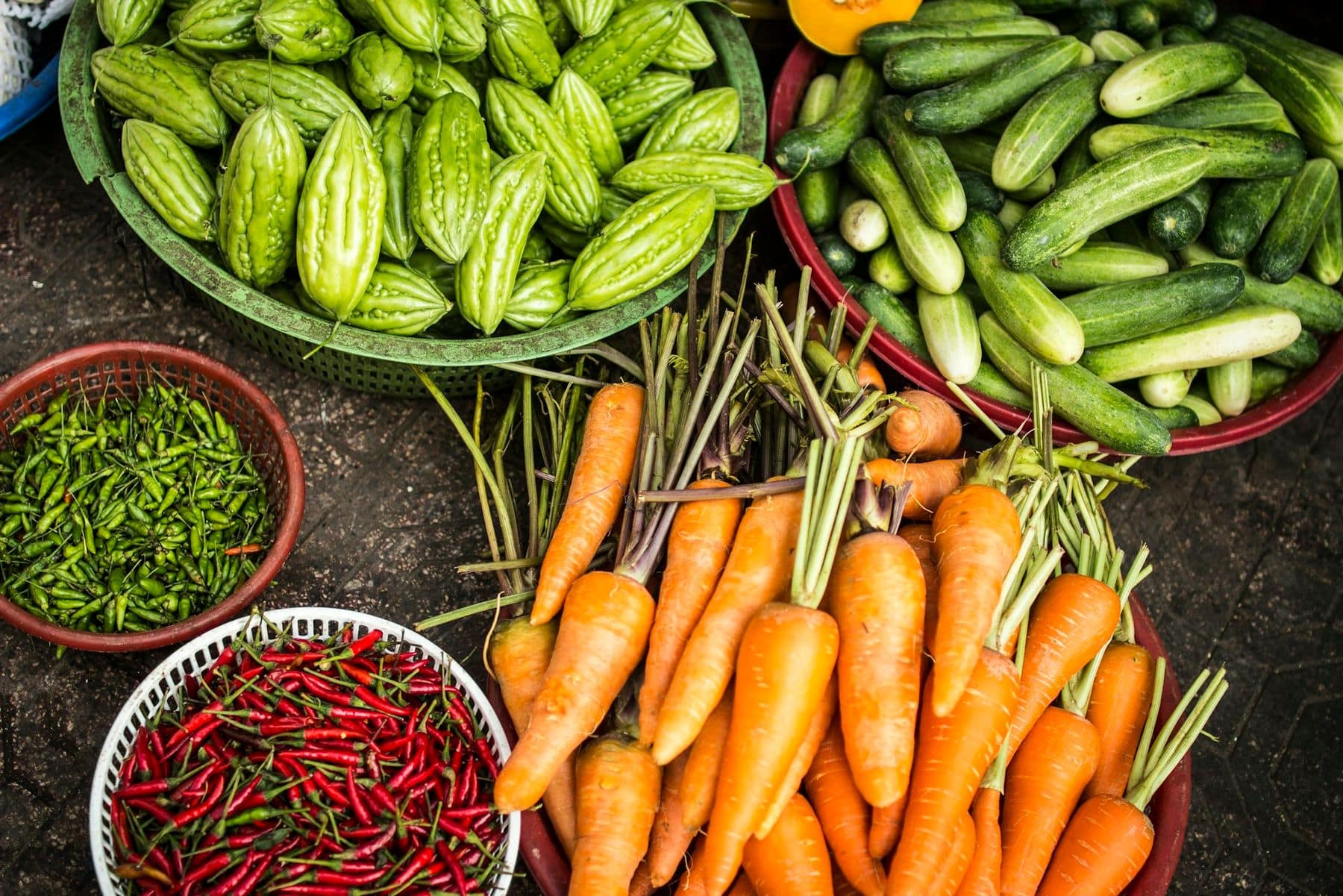
The Huon and Channel supply much of the southern produce story: apples, berries, fish and small makers. The east coast adds seafood towns and farm stops between walking trailheads. The north-west is dairy, vegetable and coastal-produce country with Devonport and Burnie as practical hubs. The Derwent and Coal River mix farms with the wine valley already named.
Farm gates and public markets change with the season. This guide will not invent a stall list. Tourism Tasmania and local visitor information centres are the right places for current market days. If a gate is closed, the day should still work as a drive and a walk.
Building a single food day
Choose the city you sleep in. From Hobart, the honest food-and-drink corridors are Coal River, the Huon and Channel, and a tight inner-city taproom walk that needs no car. From Launceston, the Tamar is the corridor. From the east coast, stay on the east coast.
Then choose a mode: cellar doors, taprooms or farm gates. Mixing all three is how a day becomes a timetable. Eat a real meal. Carry water. Book only where the venue asks you to, and treat that booking as theirs to confirm.
If the same day includes a national-park lookout, put the lookout first, carry a parks pass, and keep alcohol out of the park plan. Parks & Wildlife Service Tasmania is not a dining guide.
Groups, bucks and hens
A group food day fails when every person adds a stop. Agree the corridor, the driver or the booked transport, and the time you will turn toward home. The group trips page is written for that conversation, including Hobart bucks and hens days that want a shared outing without treating the island as a crawl.
What to read next
Use the wine guide for Tamar, Coal River and the other public valleys. Use the beer guide for taproom regions. Use Hobart day trips or Launceston and the north when the tasting day is really a geography day.
Seasonal sense, without a calendar
Produce changes with the year. Orchard country feels different in harvest than in mid-winter. Cellar doors can run shorter hours when the weather is hard. None of that is a reason to invent a festival list. It is a reason to build a day that still works if a gate is shut: a public town, a booked or walk-in meal, and a lookout that does not depend on a kitchen.
If you are travelling in the shorter days, start earlier and drop the last stop before you add it. If you are travelling in high summer, add ferry and car-park time instead of extra venues. The island does not get larger because the light lasts longer.