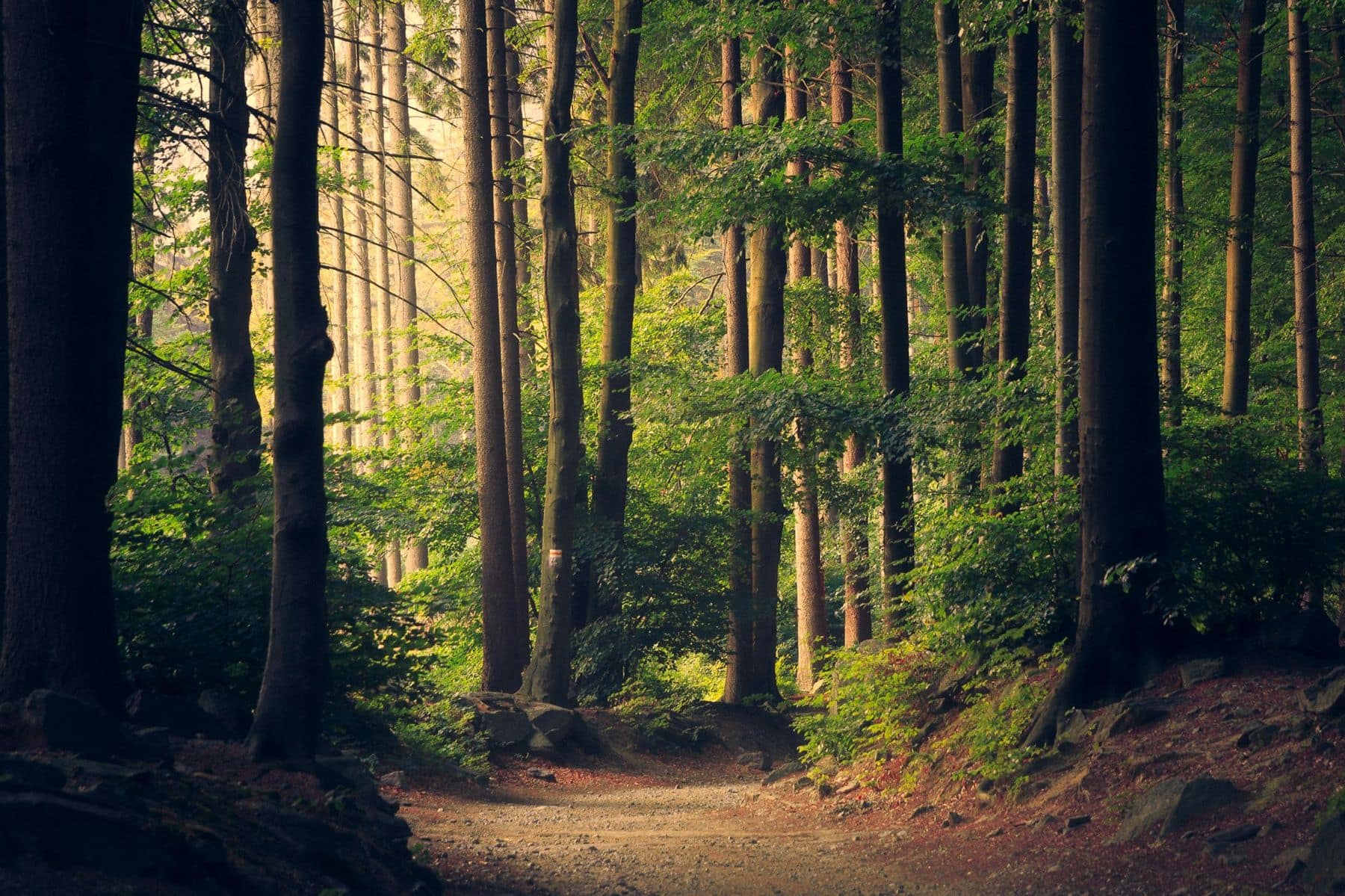
The best-known places to ride mountain bike trails in Tasmania are Derby in the north-east and Maydena in the Tyenna Valley. That pair is the honest public answer. Around them sit other marked networks — St Helens and the Bay of Fires country, the Mersey valley towns, and the ranges that rise behind Hobart — which make sense once you know whether you want gravity, climbing, a family green loop or a weekend in one trail town.
This page does not rank parks, invent shuttle prices or name a favourite operator. Trail managers publish status, waivers and uplift rules. Parks & Wildlife Service Tasmania publishes park-entry rules if a ride crosses a national-park boundary. Use those sources on the morning you clip in.
Derby and the north-east
Derby is a former tin-mining town that became the island’s best-known mountain bike destination. The public trail network around town is large, marked and built for a range of skill levels, from easier valley loops to steeper descending trails. People plan weekends here because the town sits next to the trails, not an hour’s shuttle from them.
Launceston is the usual northern city approach. Hobart is a longer south-to-north drive and is the wrong place to start if you only have a short afternoon. The Launceston and north page sets Derby in that wider corridor, beside the Tamar and the east-coast beaches.
St Helens adds another north-east trail town with coastal riding in easy reach of the Bay of Fires. It is a different rhythm from Derby: more sea air, more reason to keep a swimming stop in the day, and still a need to read the trail grade instead of assuming “coastal” means easy.
Maydena and the south
Maydena sits in the Tyenna Valley, inland from the Huon and north-west of Hobart on a highland approach toward Mount Field and the Maydena road. It is the southern name that comes up with Derby when people ask where to ride. The public reputation is gravity: steep, purpose-built descending trails in wet eucalypt forest, with uplift arrangements published by the trail manager.
That makes Maydena a planning problem as much as a riding one. Check opening status, weather and whether you are booking a shuttle or earning the climb. Mount Field is nearby as a walking or viewing stop, not as an informal bike park. National-park tracks are walking tracks unless a manager says otherwise.
For Hobart-based riders, Maydena is the closer of the two headline networks. It is still a proper excursion, not a lunch-hour lap. Pairing it with a Huon food stop only works if the riding finishes first and someone stays sober for the forest road.
Hobart ranges and the Mersey valley
Hobart has marked trails in the nearby ranges and foothills. They are the after-work and weekend-local answer, not a substitute for a Derby trip. Grades, closures after rain and shared-use etiquette sit with the local trail manager. kunanyi / Mount Wellington weather can shut a high trail while a lower loop stays open.
The Mersey valley — the cluster of northern towns that have built a linked valley network — is the other public name to know. It is easier to reach from Devonport or Launceston than from Hobart and suits riders who want a cross-country day rather than a single gravity hill.
How to choose a place to ride
Ask four questions. What is your real grade, not the grade you like in photographs? Do you want a town you can walk back into, or a valley you drive into? Who manages the land, and do they want a waiver, a trail pass or a parks pass? What is the weather doing to clay, roots and alpine wind?
Tasmania’s wet forests punish under-prepared tyres and late starts. Winter riding is possible and cold. Summer has longer light and still no excuse for ignoring a fire or wind warning. Carry a layer, water and a way to read the trail-status page.
If you are mixing bikes with a Hobart day trip or a group day, pick one network and protect the drive. A mixed group should choose the easiest official grade in the bunch, not the loudest suggestion.
Shared tracks and other users
Many Tasmanian trails are shared with walkers, especially near lookouts and in foothill reserves. Slow down at blind berms. Give way as the local code asks. National-park walking tracks are not unofficial downhill lines.
E-mountain bikes follow the manager’s rules, which are not the same on every network. Check rather than assume.
After the ride
Derby, Maydena and St Helens all sit near food-and-drink country without being defined by it. A public taproom or a valley meal is a fine end to a ride when the vehicle is handled. It is a poor start to one. The beer and wine guides stay with regions for that reason.
For passes, alpine weather and the difference between a trail-town waiver and a national parks pass, use the planning page.