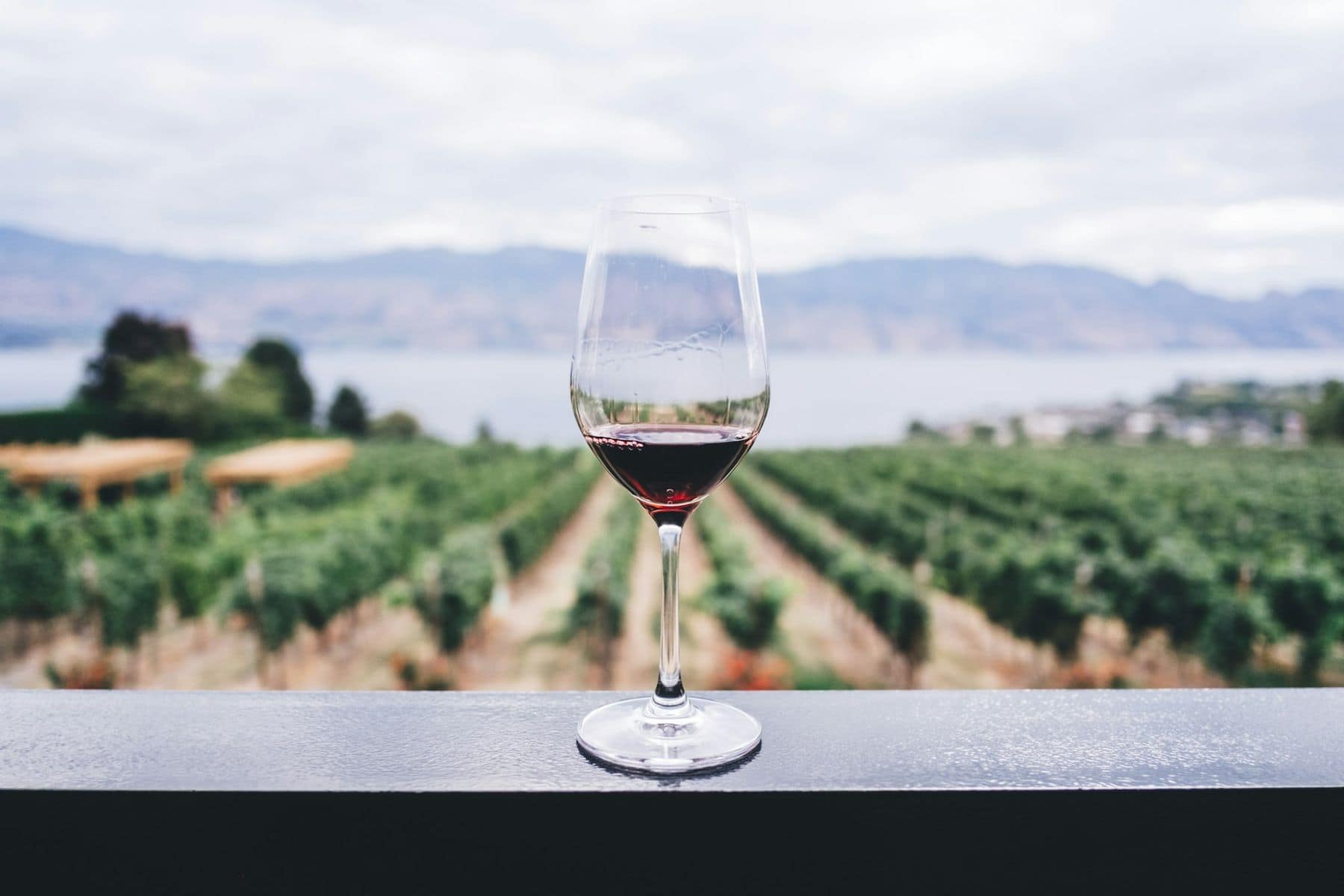
The best-known places to drink wine in Tasmania are the Tamar Valley, north of Launceston, and the Coal River Valley, east of Hobart. That is the direct public answer. Around those two names sit Pipers River, the Derwent, the east coast, the Huon–Channel edge and the north-west — real cellar-door country that works when you are already in that quarter of the island.
This guide is a regional map. Wine Tasmania is the industry body for the state’s growers and makers; Parks & Wildlife Service Tasmania is still the authority if your morning was a park. Neither this page nor a valley photograph replaces a door’s own opening hours.
Cool-climate character, not a scoreboard
Tasmania’s wine conversation is dominated by cool-climate pinot noir, chardonnay and sparkling wine, with riesling and other whites in the mix depending on site. That pattern is widely published by the industry and by Tourism Tasmania. It is not a promise that every pour will match a memory from somewhere else, and it is not a reason to rank labels.
Ask what is open, what is poured by the glass, and whether a booking is needed. Some doors are quiet on weekdays in winter. Some are closed when a vintage is on. This guide will not invent a cellar-door roster.
Tamar Valley and Pipers River
The Tamar is the northern wine landscape: a wide tidal river, ridges, and public doors on both banks. Launceston is the city at the head of the valley and the right place to sleep. A Tamar day chooses a bank or a single crossing, includes food, and treats the drive as part of the tasting.
Pipers River sits toward the north-east of this system and is named beside the Tamar in any honest regional list. It is not a hidden add-on to squeeze in after Derby. If you want both a trail town and a cellar door, they are two days.
Cataract Gorge in the morning and a Tamar afternoon is a clean Launceston shape. Cradle Mountain in the morning and a Tamar afternoon is not.
Coal River Valley
Coal River is Hobart’s wine valley: a short eastward drive toward Richmond, Campania and the surrounding paddocks. Richmond gives you a public village and a historic bridge whether or not you are tasting. The doors sit in the working valley, which means rural roads, farm traffic and the same designated-driver rule as the Tamar.
Because the valley is close to the city, people underestimate it. They add a peninsula cape. They add a mountain sunset. The better Coal River day ends back in Hobart with time to eat and no cliff walk left on the list.
East coast, Derwent, Huon and north-west
East-coast vineyards sit in the same broad corridor as Freycinet and the coastal towns. They are a reason to stay on the east coast overnight, not a reason to dash from Hobart, walk Wineglass Bay and taste on the way home in the dark.
The Derwent Valley, inland from Hobart, mixes river country, hops history and vineyard sites. It can be a quieter southern day when you want inland light instead of a peninsula wind.
The Huon and Channel hold a smaller public wine-and-cider story beside the orchards. The north-west has further doors that belong to a coastal produce itinerary from Devonport or Burnie.
None of these regions is a lesser Tamar. They are different drives. Naming them is not ranking them.
Planning a cellar-door day
Sleep in the city that owns the valley: Launceston for the Tamar, Hobart for Coal River, an east-coast town for the east coast. Leave with a map that still works when the phone signal drops. Appoint a driver. Two doors and a meal is a full day. Spitting is normal and underrated.
If you are travelling as a group, read group trips and tell the door you are coming if you are more than a carload. Rural tasting rooms are workplaces.
Bookings, tasting fees and picnic rules are the door’s to set. This guide will not quote them. If a door is closed, the valley is still a landscape day — walk a public town, eat, and do not trespass between vines.
Wine, walks and parks
A lookout and a tasting room can share a region. They should not share a blood-alcohol plan. Put the walk first. Carry a parks pass when you are in a national park. Do not drink on cliff tracks.
Freycinet and Coal River are different corridors. Hartz and the Huon can share a southern day only if you drop something. Cradle Mountain is not a wine-valley warm-up.
Biosecurity and vineyard hygiene are real. Use the public path, the public car park and the public door. Do not cut through rows for a photograph.
What this guide will not do
It will not name a favourite label or publish a ranking. It will not invent an event calendar. Great wine, here, means wine drunk in a public region at a human pace, with someone sober on the key ring.
For produce around the valleys, use food and drink trails. For the city corridors that reach those valleys, use Hobart day trips and Launceston and the north.
How a valley actually feels
A Tamar day is water and long views; the river is wide enough that the opposite bank looks closer than the road will admit. Doors sit among working blocks. You will pass ordinary farm traffic, school buses and people who live there. Drive as a guest.
A Coal River day is drier light and closer to the capital. Richmond is the public pause. Beyond the village the roads narrow and the GPS will offer clever shortcuts that are not clever after two tastings. Stay on the roads you meant to stay on.
An east-coast wine day is wind and sea-light between vine rows. It is beautiful and it is a long way from a city hospital if someone in the car is unwell. That is not scaremongering; it is why the designated driver is not negotiable.
Sparkling, pinot and the rest of the glass
Visitors ask for sparkling and pinot because those are the words the island is known for. Chardonnay sits in the same cool-climate sentence. Riesling and other whites appear depending on site and maker. Fortified and experimental pours exist without needing a headline.
Ask what is open by the glass if you want to taste across a flight. Ask whether a sparkling is made on site or drawn from a broader Tasmanian project — both can be good, and both are facts rather than rankings. If you do not like oak, say so. If you want something lower in alcohol because you still have a road, say so and consider stopping.
This is not sommelier theatre. It is courtesy in a working room.
Cellar-door manners that keep doors open
Arrive in the hours the door published. If you are a group, warn them. Do not bring a picnic onto a private lawn unless the door said you may. Do not let children treat vines as a maze. Do not fly a drone over a block for a photograph.
Pay for the tasting if a tasting is charged. This guide will not name the figure because it is the door’s to set and to change. Buy a bottle if you liked the pour and you can transport it. Do not haggle. Do not ask staff to trash a neighbouring label.
Dogs, as at parks, are a local rule. Some farm doors welcome them; many vineyard rows do not. Ask before a dog leaves the car, and never take an animal into a national park unless PWS says that park allows it.
Without a car
City wine bars and some urban cellar rooms in Hobart and Launceston let you taste without a valley road. Organised transport exists as a licensed service you can hire yourself; this site will not name or rank those services. Bicycles work in gentle valley weather for people who already ride those distances and have lights, layers and a way home.
What does not work is walking the verge between rural doors at dusk, or assuming a tourist shuttle runs every hour because a valley is famous. Confirm the vehicle first, then the doors.
Pairing wine with the rest of the island
Wine and walking share regions more cleanly than wine and riding. A Richmond-and-Coal-River day can include a village walk. A Tamar day can include the gorge. An east-coast stay can include Freycinet on a different daylight to the cellar doors.
Wine and mountain biking share the north-east only as consecutive days: Derby, then a Tamar rest day, not a helmet-and-flight afternoon. Wine and group celebrations share the group rules: one valley, one transport plan, no cliff.
If you are here for Three Capes or the Overland Track, drink after you have finished the booked walk. Blisters and sparkling wine can wait their turn.
A longer stay
Two southern nights can hold a Coal River day and a Huon or peninsula day with no wine on the cliff day. Two northern nights can hold a Tamar day and a Derby or gorge day. An east-coast stay can hold Freycinet and a single coastal door. A week can hold south and north if you move city once.
What a longer stay should not hold is a determination to visit every region named on this page. The names are a map, not a stamp card. Great wine in Tasmania is a glass in a public valley with time around it. Everything else is driving.